
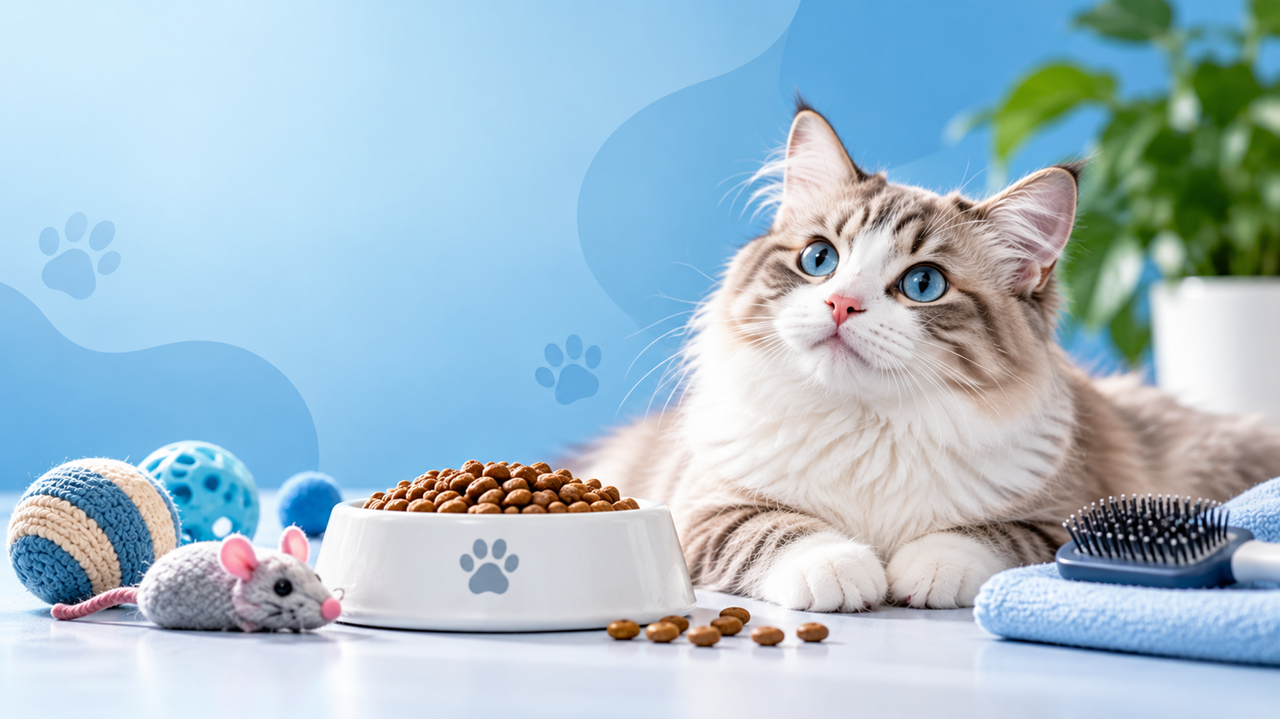
Cats are wonderful companions who bring comfort, joy, and affection into our lives. Whether you have recently adopted a kitten or have lived with cats for years, understanding their needs is essential to helping them live a healthy and happy life.
Providing proper nutrition, maintaining good hygiene, encouraging physical activity, and creating a comfortable environment can make a significant difference in your cat’s overall well-being.
In this beginner-friendly guide, we explore the essential aspects of cat care to help you give your feline companion the attention and care they deserve.
1. Provide a Balanced and Nutritious Diet
Nutrition plays a vital role in your cat’s health. Cats are obligate carnivores, meaning they require nutrients naturally found in animal tissues to meet their dietary needs.
Choose a complete and balanced cat food appropriate for your pet’s age, weight, and activity level.
Important feeding tips:
Cats have different nutritional requirements from dogs, so always choose food specifically formulated for felines. If your cat has a medical condition or special dietary needs, consult your veterinarian before changing its diet.
2. Make Fresh Water Available at All Times
Hydration is essential for your cat’s overall health, including normal kidney and urinary tract function.
Some cats prefer drinking from moving water, while others are comfortable with a traditional water bowl.
You can encourage healthy drinking habits by:
Monitor your cat’s drinking habits. A sudden increase or decrease in water consumption may indicate an underlying health concern and should be discussed with a veterinarian.
3. Maintain a Regular Grooming Routine
Grooming keeps your cat’s coat clean and helps reduce loose hair and tangles. It also gives you an opportunity to notice changes in the skin, coat, or body.
Long-haired cats usually require more frequent brushing than short-haired cats.
A simple grooming routine includes:
Most cats do not need frequent baths unless they become unusually dirty or a veterinarian recommends one. Use cat-safe products and introduce grooming gently.
4. Keep Your Cat Active Through Play
Cats need both physical activity and mental stimulation. Regular play helps them express natural hunting behaviours, maintain a healthy weight, and avoid boredom.
You do not need an elaborate setup to keep your cat entertained.
Try these activities:
Schedule short play sessions throughout the day according to your cat’s age, energy level, and preferences. Always supervise toys with strings or small parts that could be swallowed.
5. Keep the Litter Box Clean
A clean litter box supports good hygiene and helps your cat feel comfortable at home.
Cats can be particular about their toileting environment, so the location, cleanliness, and type of litter all matter.
For better litter box hygiene:
If your cat suddenly stops using the litter box, do not assume it is simply a behavioural problem. Urinary issues, pain, stress, and other medical conditions may be responsible.
Important: Difficulty urinating, repeated straining, or producing little or no urine—particularly in male cats—requires immediate veterinary attention.
6. Schedule Regular Veterinary Check-Ups
Preventive healthcare helps identify potential problems before they become more serious.
Even cats that live indoors benefit from regular veterinary examinations. The appropriate schedule depends on their age, health, and individual risk factors.
Your veterinarian can advise you on:
Contact your veterinarian if you notice persistent vomiting, changes in appetite, unusual lethargy, unexplained weight loss, breathing difficulties, or other concerning symptoms.
7. Create a Safe and Comfortable Home
Your cat’s environment affects its physical and emotional well-being. A safe home should provide opportunities to rest, explore, hide, climb, and interact on its own terms.
Consider these simple improvements:
If your cat enjoys outdoor exploration, consider secure enclosures or supervised access rather than allowing unrestricted access to potentially dangerous areas.
8. Understand Your Cat’s Behaviour
Cats communicate through body language, sounds, facial expressions, and behaviour.
Learning to recognise these signals helps you build trust and identify when your cat may be uncomfortable.
For example:
Respect your cat’s boundaries and allow it to approach you voluntarily. Avoid punishment, which can increase fear and stress.
9. Give Your Cat Consistent Attention and Affection
Every cat has its own personality. Some enjoy cuddling, while others prefer sitting nearby or interacting through play.
Building a positive relationship does not require constant attention. Consistent, gentle interaction is often more valuable.
Spend time playing, observing your cat’s preferences, and providing a predictable daily routine. If you have children or other pets, teach them to interact calmly and respectfully.
Conclusion
Keeping your cat healthy and happy starts with understanding its everyday needs. A balanced diet, fresh water, regular grooming, engaging play, a clean litter box, preventive veterinary care, and a safe home all contribute to a better quality of life.
Small, consistent efforts can help you recognise your cat’s needs, strengthen your bond, and support its long-term well-being.
At PureGene, we believe informed pet parents can make better decisions for their companions. Start with these essential care habits and adapt them to your cat’s individual needs.
Give your cat the care, comfort, and attention it deserves—every day.


